
A Straight Talking Guide to Sri Lanka National Park Safaris
Sri Lanka is compact. That’s the advantage most people underestimate.
You can watch elephants wade through a reservoir one afternoon, then scan scrubland for leopards the very next morning without spending half your trip staring at asphalt.
There’s a flip side though.
A lot of travelers leave underwhelmed. Not because animals are scarce, but because they chose the wrong park, showed up at the wrong hour, or climbed into a jeep that chased rumors instead of tracks.
This guide exists for that reason.
It breaks down where to go, when timing matters, how safaris actually run, what’s worth packing, and what usually turns a promising drive into a quiet one. No poetic filler. No brochure language. Just practical Sri Lanka safari travel tips you can use on the ground.
If you want a plan that survives real conditions rather than social media expectations, immersive options like safari camping packages offer a more grounded wildlife experience.
Why Sri Lanka Is a Top Wildlife Safari Destination
Sri Lanka ranks among Asia’s best wildlife destinations thanks to its biodiversity density and park accessibility. Unlike many safari regions where animals are spread across vast territories, Sri Lanka’s protected parks concentrate wildlife around water sources and dry-zone grasslands, especially in quieter reserves like Kumana National Park safaris, which are known for birdlife and low vehicle density.
Key advantages for travelers:
- Multiple ecosystems within short driving distances make Sri Lanka nature tour packages ideal for travelers who want wildlife, landscapes, and cultural variety in one trip.
- High probability of elephant sightings year-round
- Globally recognized leopard habitats
- More affordable than most African safari destinations
- Half-day safaris widely available
Government conservation reports and tourism statistics consistently show rising wildlife tourism because sightings are frequent and parks are reachable without complex logistics.
Best National Parks in Sri Lanka by Wildlife Goal
Leopard Safaris The Heavyweight Favorite
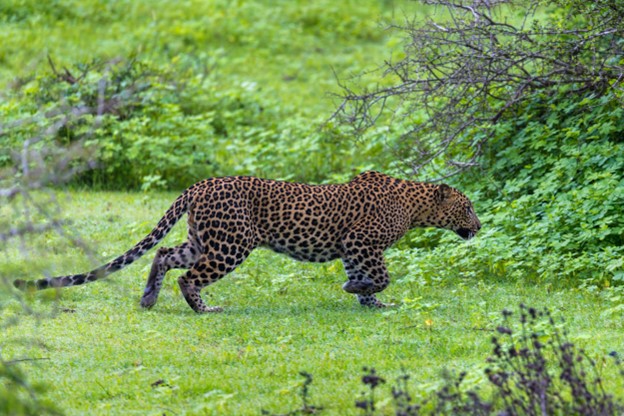
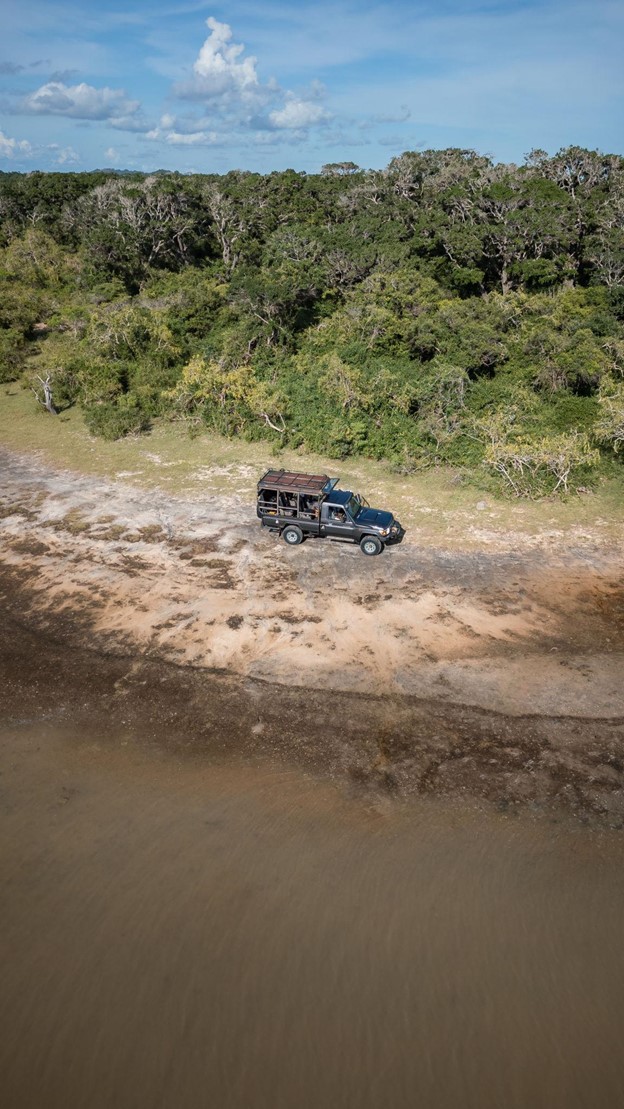
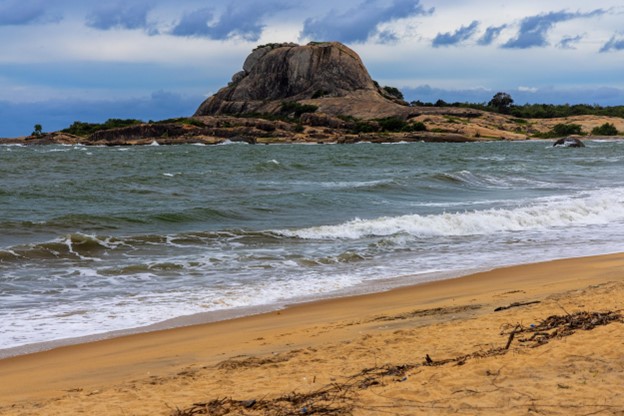
Yala National Park
If your goal is to see a leopard, this park offers some of the highest recorded leopard densities in the world. The park is divided into blocks, and choosing the right entry gate and block can dramatically affect your experience.
Pro tips:
- Enter at opening time for best sightings
- Choose less crowded blocks when available
- Hire drivers experienced in leopard tracking
- Avoid peak holiday weekends
Elephant Safaris Reliable and Low Stress
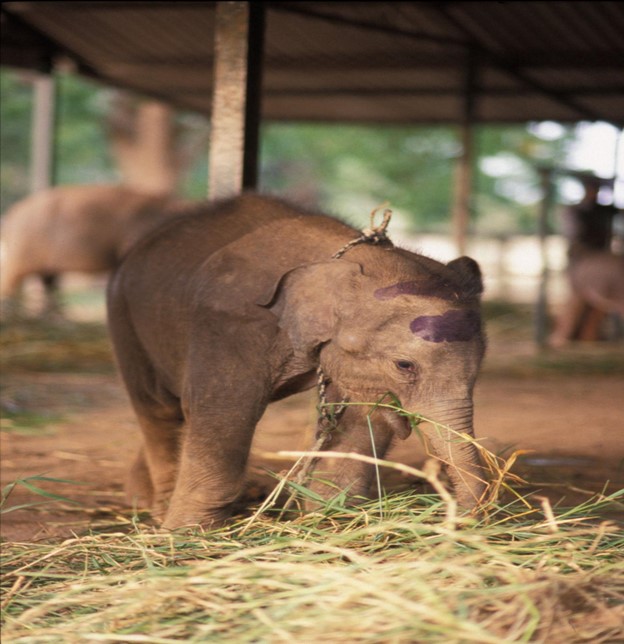
Udawalawe National Park
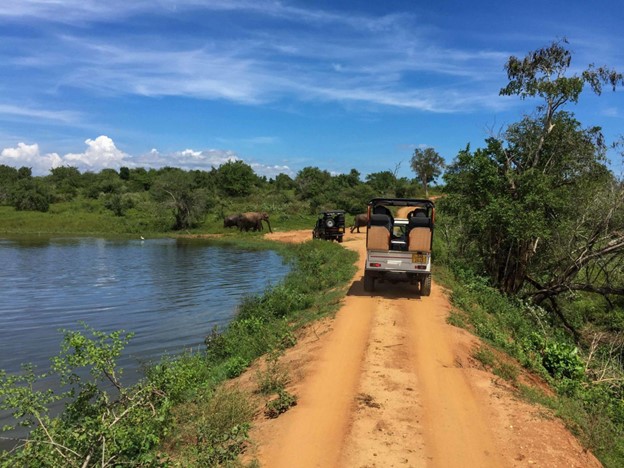
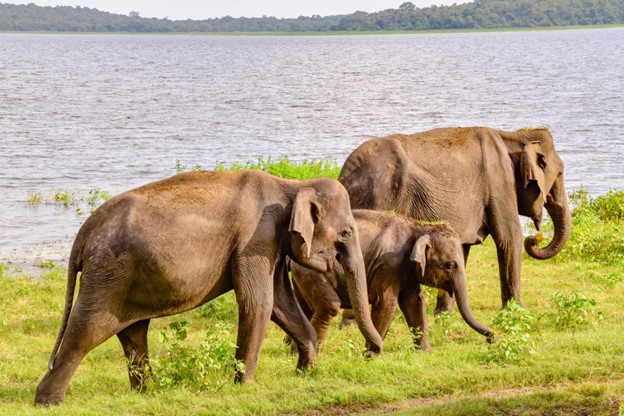
This park is famous for consistent elephant encounters thanks to open terrain and water reservoirs.
Why it’s ideal:
- High visibility landscapes
- Large elephant populations
- Great for first-time safari travelers
- Excellent photography conditions
Nearby elephant rehabilitation facilities add an educational conservation angle to your trip.
Seasonal Elephant Gathering
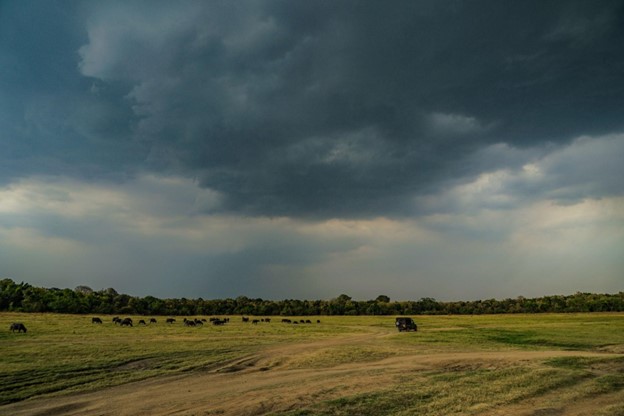
Minneriya National Park
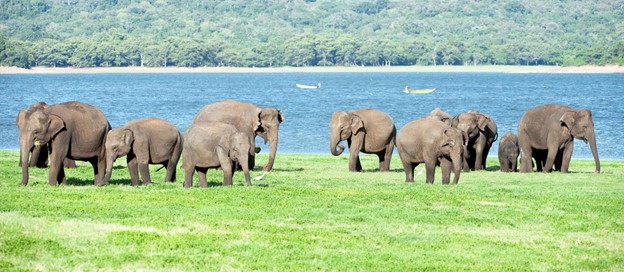
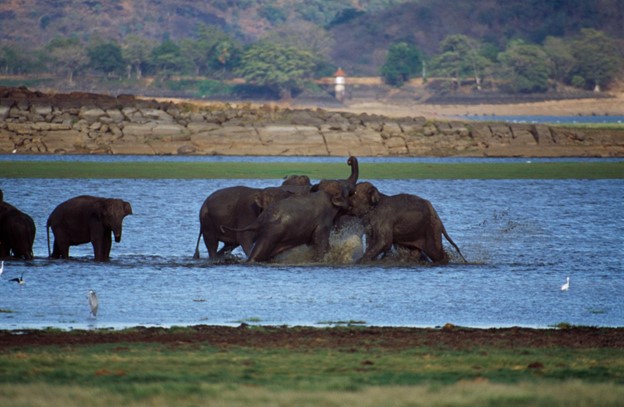
During the dry months, elephants gather around the reservoir. Slowly at first. Then all at once.
Best months: Typically mid-year dry season
Best time of day: Late afternoon drives
Expect: Large herd behavior and social interaction
Low-Crowd Alternative
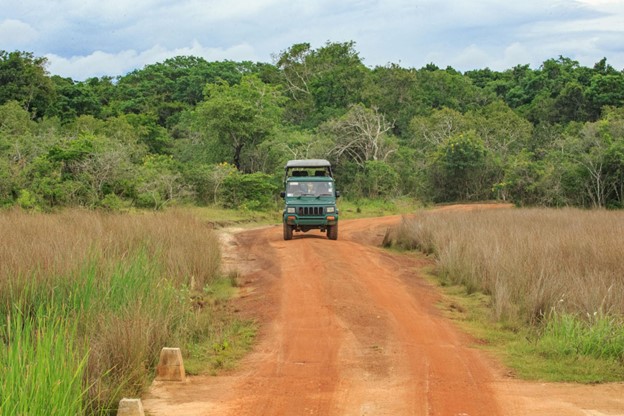
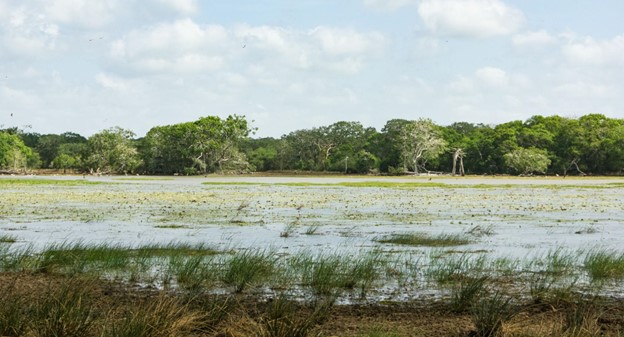
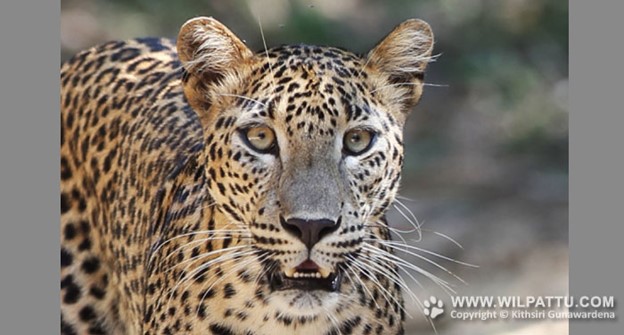
Wilpattu National Park
Known for its unique natural lakes, this park offers quieter safaris and longer drives with fewer vehicles.
Highlights:
- Lower traffic
- Sloth bear opportunities
- Strong birdlife diversity
Best Time to Visit Sri Lanka National Parks for Wildlife Sightings
Timing directly affects your safari success. In general, dry seasons improve visibility as animals gather near water.
Wildlife timing tips:
- Dry months = higher sighting probability
- Early morning safaris = predator activity
- Late afternoon = elephant movement
- Avoid heavy monsoon periods for jeep access
Regional weather patterns differ, so match your park choice to seasonal conditions rather than calendar dates alone.
How Sri Lanka Safari Jeeps & Park Entry Work (Step-by-Step)
Understanding safari logistics prevents costly mistakes.
Booking flow:
- Choose park based on target wildlife
- Select morning or afternoon safari slot
- Book a licensed jeep operator
- Confirm guide or tracker inclusion
- Pay entrance + vehicle fees at gate
- Enter with assigned route rules
Private jeeps offer flexibility, while shared jeeps reduce cost but limit control over timing and stops.
What to Pack for a Sri Lanka National Park Safari
A smart Sri Lanka safari packing list improves comfort and results.
Clothing
- Neutral colors
- Light breathable layers
- Sun hat
Gear
- Binoculars
- Zoom camera lens
- Dust cover
Health & comfort
- 2 liters of water
- Electrolytes
- Motion sickness tablets
- Sunscreen
Extended time in open-top safari jeeps means constant sun exposure, especially during late morning and afternoon drives. Sunburn develops quickly in Sri Lanka’s dry-zone parks due to heat, wind, and dust, so a high-SPF, sweat-resistant formula is essential. Sourcing the best sun cream in Sri Lanka in advance ensures reliable protection and avoids overpriced, limited options near park entrances, while wildlife photographers also recommend extra batteries and lens cloths due to dust.
Must Checklist Before You Go on a Sri Lanka Safari
Use this Sri Lanka safari checklist to avoid common traveler mistakes.
Pre-Booking Checklist
- Choose correct park for your animal goal
- Check best season for that park
- Confirm park open days
- Book licensed jeep + driver
- Verify safari time slot
- Review recent sighting reports
Night-Before Checklist
- Charge camera and phone
- Clear memory cards
- Prepare clothing
- Pack ID copy
- Confirm pickup time
- Prepare water and sun gear
Jeep-Ride Checklist
- Booking confirmation
- Passport copy
- Binoculars
- Water bottles
- Sunscreen and hat
- Basic medicines
Safety Rules Most First-Time Safari Travelers Miss
Sri Lanka safari safety tips are simple but important.
- Stay seated inside jeep
- No flash photography
- Never pressure drivers to chase animals
- Keep safe viewing distance
- Stay hydrated
- Follow ranger instructions immediately
Park safety advisories emphasize that respectful distance protects both animals and visitors.
Ethical Wildlife Tourism Guidelines
Responsible behavior protects fragile ecosystems, and programs like community-based wildlife experiences in Sri Lanka help ensure tourism benefits local people as well as conservation.
- Never feed animals
- Avoid loud noise
- No off-road chasing
- Choose certified operators
- Limit crowd pressure at sightings
Conservation groups stress that ethical safari behavior improves long-term wildlife survival.
Sri Lanka Safari Cost Breakdown
Sri Lanka safari cost varies by park and vehicle type.
Typical cost components:
- Park entrance fee
- Jeep hire
- Driver/guide fee
- Camera fee (sometimes separate)
- Seasonal price variation
Comparing multiple operators often saves 15–25%.
Common Sri Lanka Safari Mistakes to Avoid
- Visiting wrong park for season
- Only doing midday safaris
- Booking cheapest jeep blindly
- Ignoring weather closures
- Not checking recent sightings
Experienced guides consistently say timing and park choice matter more than luck.
Sample 5-Day Sri Lanka Safari Itinerary
A Simple 5 Day Safari Focused Itinerary
- Day 1 and 2 focus on elephants.
- Day 3 is for transfer and rest.
- Day 4 targets leopards.
- Day 5 works well for birding or a quieter reserve.
It spreads effort evenly and avoids burnout.
FAQ: Sri Lanka National Park Travel Tips
Are Sri Lanka safaris worth it
Yes. Compact parks increase sighting frequency.
Which park has the most leopards
Yala is widely known for density.
Should I prebook safaris
During busy months, yes.
Are safaris safe for children
With licensed operators, generally so.
Can I self drive inside parks
No. Jeeps and drivers are required.
Ready to Plan Your Sri Lanka Safari
Strong safaris rarely happen by accident.
They usually come from a few smart decisions early.
Save this guide. Share it with your travel group. Use the checklist. Then build a plan that fits your dates, interests, and tolerance for early mornings.
If you want, I can help next with a park by season safari schedule based on your actual travel window.
